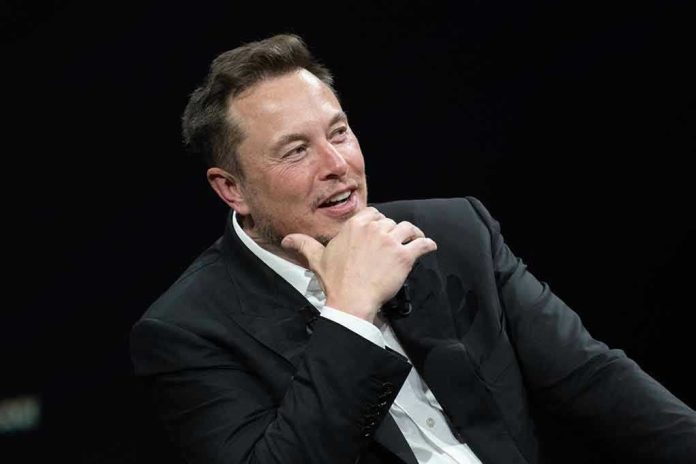
A viral 2022 BBC interview where a reporter lectured Elon Musk about “misinformation” has resurfaced as a masterclass in media hypocrisy, with subsequent BBC retractions on COVID-19 and grooming gang coverage vindicating Musk’s defense of free speech over institutional censorship.
Story Highlights
- BBC reporter James Clayton confronted Musk about hate speech and misinformation during December 2022 interview at X headquarters
- Musk challenged BBC’s authority as truth arbiter, exposing their own history of false COVID-19 labeling and grooming gang coverage failures
- Clip gains renewed relevance as Musk attacks UK government over grooming gang scandals, with PM Starmer calling his claims “lies”
- Exchange demonstrates erosion of legacy media credibility while highlighting free speech versus censorship debate
BBC Reporter’s Misinformation Lecture Backfires Spectacularly
During the December 2022 interview at X headquarters, BBC North America reporter James Clayton attempted to lecture Elon Musk about allowing “high levels of hate speech and misinformation” following his Twitter acquisition. Clayton cited examples like QAnon content and Andrew Tate’s account reinstatement as evidence of dangerous content proliferation. However, Musk turned the tables by challenging the BBC’s own credibility, asking who appointed them as the ultimate arbiter of truth and pointing to their century-long history of publishing falsehoods.
Musk’s most devastating blow came when he exposed BBC’s hypocrisy on COVID-19 misinformation labels. He specifically called out how the broadcaster had initially labeled accurate information as false, only to quietly change their stance later when evidence contradicted their narrative. The reporter visibly struggled to respond, creating an awkward exchange that highlighted the fundamental problem with allowing biased institutions to determine what constitutes “misinformation” for public consumption.
Legacy Media’s Truth Monopoly Crumbles Under Scrutiny
The interview occurred during Musk’s controversial Twitter transformation, marked by mass layoffs and policy shifts toward free speech absolutism. Under Jack Dorsey’s leadership, Twitter had aggressively moderated content, banning prominent figures including President Trump after January 6, 2021. Musk’s $44 billion acquisition promised to restore free speech while combating what he termed the “woke mind virus,” immediately sparking clashes with regulators and establishment media outlets like the BBC.
The broadcaster’s track record on major stories validates Musk’s skepticism about their truth-telling authority. BBC had previously labeled the Great Barrington Declaration, which advocated focused COVID protections for vulnerable populations, as “misinformation” in 2020. They later quietly adjusted their position as scientific evidence mounted supporting the declaration’s approach. Similarly, their coverage of grooming gang scandals from 2019-2022 consistently downplayed ethnic patterns in perpetrator demographics, contradicting findings from official inquiries like Alexis Jay’s 2022 review.
Grooming Gang Revelations Vindicate Musk’s Media Criticism
The clip’s resurgence in early 2025 coincides with Musk’s pointed attacks on UK leadership over grooming gang scandals. He accused Prime Minister Keir Starmer of complicity during his tenure as Director of Public Prosecutions, prompting defensive responses where Starmer labeled Musk’s claims as “lies and misinformation.” This exchange perfectly illustrates the circular logic of establishment figures: when confronted with uncomfortable truths, they simply declare inconvenient facts as “misinformation” without addressing the underlying evidence.
Starmer’s January 2025 press conference response demonstrated the defensive posture of officials caught between protecting institutional credibility and acknowledging systemic failures. His criticism of supporters like Tommy Robinson while dodging substantive questions about prosecution patterns reveals the same instinct to control narrative rather than confront reality. This validates Musk’s core argument that no single entity, whether BBC or government officials, should possess monopoly power over defining truth in public discourse.