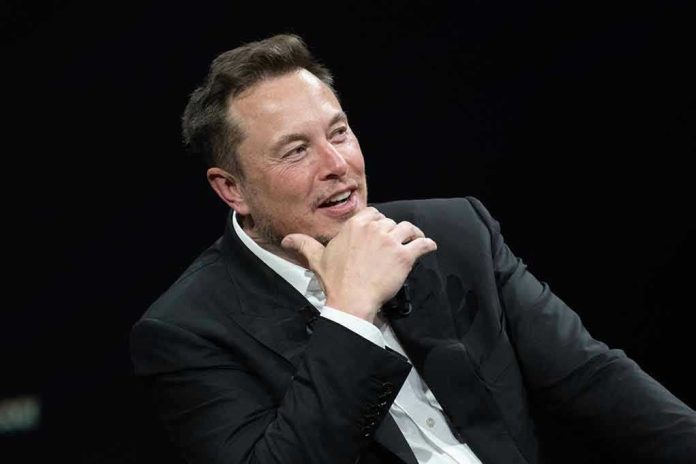
Elon Musk fights back against Delaware judicial overreach by seeking recusal of a biased judge, vindicating conservative calls for fair courts free from activist influence.
Story Highlights
- Musk demands removal of Chancellor Kathaleen McCormick after she liked a LinkedIn post mocking his trial loss, raising impartiality concerns.
- Delaware Supreme Court reversed her 2024 rescission of Musk’s $100B+ Tesla pay package in December 2025, citing impossible status quo restoration.
- Tesla fled Delaware for Texas amid “DExit,” sparking reforms that Delaware upheld in March 2026 to retain businesses.
- Shareholders twice approved Musk’s performance-tied compensation, underscoring tension between fiduciary oversight and shareholder will.
Musk’s Recusal Push Exposes Judge Bias
Elon Musk filed for recusal of Delaware Chancery Court Chancellor Kathaleen St. Jude McCormick on March 25, 2026. He cited her LinkedIn “like” of a post celebrating his 2024 trial loss over Tesla’s 2018 compensation package. This action questions her impartiality in ongoing cases. Conservatives see this as a stand against judges blending personal views with rulings, echoing fights for unbiased judiciary. Musk’s move aligns with demands for accountability in elite courts.
Chancery Court Rescinds Historic Pay Package
January 2024 saw Chancellor McCormick rescind Musk’s $56 billion Tesla equity grant, later worth over $100 billion. She ruled it breached fiduciary duties under the “entire fairness” standard, despite shareholder approval. The 2018 plan tied pay to 12 performance milestones, all met. This first-of-its-kind override ignored two shareholder votes, fueling conservative frustration with unelected judges overriding business freedom and investor choice.
Supreme Court Reverses, Validates Shareholder Primacy
December 2025 brought Delaware Supreme Court reversal of the rescission. Justices ruled restoring the pre-grant status quo impossible after six years of Musk’s performance. They awarded plaintiff $1 damages and cut fees from $345 million to about $54 million. This decision protects superstar CEOs driving value, resonating with free-market principles over bureaucratic interference.
Tesla’s Texas Move Sparks DExit and Reforms
Tesla reincorporated in Texas in 2024 after the Chancery ruling. Musk publicly blasted Delaware’s overreach, igniting the “DExit” trend as firms eye alternatives like Texas and Nevada. Delaware responded with 2026 law overhauls favoring founders, upheld constitutional by the Supreme Court on March 2. These changes preserve the state’s $1 billion corporate revenue while easing insider restrictions, a win for limited government in business.
Musk Seeks To Remove Delaware Judge From His Cases After She "Liked" A Post About His Trial Loss https://t.co/HxFaaInvWX
— zerohedge (@zerohedge) March 26, 2026
Impacts Favor Founders and Shareholders
Musk regains his equity, boosting his net worth past $679 billion. Reduced fees deter frivolous suits, shielding companies from activist shareholders. Long-term, the ruling weakens rescission precedents and elevates pro-business states. Experts note consensus on reversal logic, with reforms signaling Delaware adaptation. Conservatives applaud this check on judicial activism amid 2026’s economic pressures from war and inflation.
Sources:
Delaware Supreme Court Upholds Corporate Law Overhaul Amid DExit Pressure
Delaware Supreme Court Reverses Rescission of Elon Musk’s 2018 Compensation Grant
Delaware Court Strikes Down Musk’s $56 Billion Pay Package
Delaware Supreme Court Reinstates Elon Musk’s 2018 Tesla Incentive Package