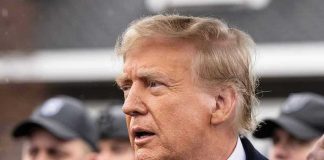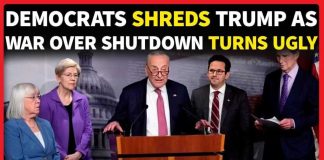
Trump’s 2026 State of the Union is set up as a midterm-season rallying cry—yet it lands in the middle of a DHS shutdown, a tariff setback at the Supreme Court, and fresh immigration controversies that could swallow the message.
At a Glance
- President Trump delivers his first formal State of the Union of his second term on Feb. 24, 2026, at 9 p.m. EST, with GOP control of Congress heading into midterms.
- The White House is previewing themes of law and order, border security, American “respect” abroad, and lowering health care costs.
- A partial DHS shutdown tied to immigration enforcement and funding is an immediate test of governing leverage and constitutional separation of powers.
- Polling and issue surveys show vulnerabilities on inflation and the economy, even as immigration has been a relative strength in past post-speech reaction.
A high-stakes speech with midterms in the background
President Donald Trump is scheduled to speak to a joint session of Congress on Tuesday, February 24, 2026, in a prime-time address that doubles as a political measuring stick for the midterm year. The Constitution requires presidents to update Congress on the “state of the union,” but modern broadcasts also function as a national campaign stage. With Republican majorities on the line, the White House is aiming for clarity, momentum, and discipline.
The timing matters because Trump is no longer in the “new term” honeymoon window. His March 2025 joint address (not formally a State of the Union) ran 1 hour and 39 minutes, one of the longest in decades, and touched everything from energy prices to policing, Ukraine, and tariffs. This year’s speech comes about 13 months into the term, when voters tend to judge results—prices at the store, stability abroad, and whether Washington looks competent.
DHS shutdown and immigration flashpoints put pressure on Congress
The biggest governing landmine heading into the address is the partial Department of Homeland Security shutdown, reported to be in its second week, tied to a funding impasse connected to immigration enforcement. Shutdown politics are never just optics; they disrupt core federal functions and sharpen public concerns about safety and border control. They also highlight a basic constitutional reality: Congress holds the power of the purse, even when a president pursues aggressive executive action.
Immigration remains a political dividing line, and the research notes that recent deaths linked to ICE have prompted Democratic demands for changes. Those incidents, and the partisan battle over how to respond, risk turning the speech into a reactive defense rather than a forward-looking plan. For conservative voters frustrated by years of lax enforcement and bureaucratic excuses, the central question is whether Washington will fund and execute the law consistently—or keep treating border security as a talking point.
The tariff setback underscores limits on executive power
Another problem hanging over the night is the Supreme Court’s ruling striking down most of Trump’s global tariffs, a major blow to a signature approach to trade leverage. Regardless of where voters stand on tariffs as a tool, the decision is a reminder that presidents cannot simply will economic policy into existence by executive action. The courts and Congress can restrain unilateral moves, and that means any durable economic reset typically requires legislation that can survive judicial review.
That legal reality will shape how the White House talks about jobs, manufacturing, and global competition. The address can still argue for fairer terms of trade, but it must do so with credible next steps that fit within constitutional boundaries. For an audience tired of government overreach, the ruling also cuts both ways: it blocks a preferred policy mechanism while reinforcing that separation of powers still matters, even when it’s inconvenient.
Inflation and foreign tensions compete for airtime
Polling referenced in the research indicates majorities disapprove of Trump on issues such as inflation and the economy, which means the speech has to meet voters where they are: household budgets, interest rates, and the cost of basics. The White House preview materials emphasize lowering health care costs and promoting law and order, which are tangible themes for families. But speeches do not change prices; they change expectations, and expectations can shift politics fast.
Foreign policy could also intrude. The research points to tensions with Iran and the possibility of a limited strike under review, with the press secretary signaling more detail may come during the address. Any hint of escalation will pull attention from domestic wins and re-center the night on risk, readiness, and consequences. For conservatives skeptical of endless foreign entanglements but supportive of deterrence, the key will be whether goals are clearly defined and achievable.
What to watch for: message discipline versus “landmines”
State of the Union speeches often reward simplicity: a short list of priorities, concrete metrics, and a clear request of Congress. This year’s challenge is that multiple controversies are active at once—shutdown negotiations, immigration disputes, and the tariff loss—making it easier for opponents and media to frame the night around what’s going wrong. Trump has also previewed a “long” speech, which increases the risk of drifting into side fights that dilute the core message.
For viewers, the practical test is whether the address clarifies a governing plan that can actually pass Congress and withstand court scrutiny. The best-case outcome for Republicans is a speech that refocuses the national conversation on border enforcement, public safety, and cost-of-living relief—while showing competence under pressure. The worst-case outcome is a message overshadowed by shutdown headlines and unresolved economic anxieties as the midterm cycle accelerates.
Sources:
State of the Union 2026: Where Americans stand on key issues facing the nation
Watch Trump’s 2026 State of the Union address
2025 Donald Trump speech to a joint session of Congress
Watch live: President Donald Trump’s 2026 State of the Union address (PBS News special coverage)
State of the Union: Law and Order