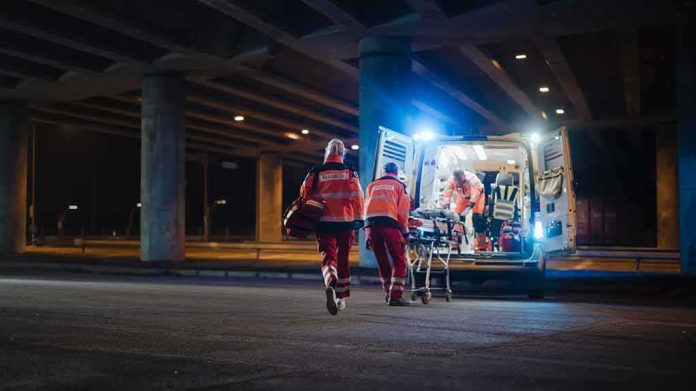
Rescuers in Nepal are racing to open blocked hydropower tunnels where officials say hundreds of workers may still be trapped after deadly floods.
Story Snapshot
- Officials report rescue operations at multiple hydropower projects, with tunnels as the top priority.
- Nepali Army teams reached one tunnel entrance and began clearing debris, marking a breakthrough.
- Authorities cite large numbers of workers possibly trapped across several sites, with counts varying by report.
- About 10,000 troops and experts from China and India are supporting the effort.
Rescue Focus Shifts to Blocked Hydropower Tunnels
Nepal’s government said rescue work is underway at several flood-hit hydropower projects, and that opening blocked tunnels is the main goal. Officials described crews using controlled blasts, excavators, and lights to cut through mud and debris that sealed entries during the surge. Reports said specialists from China and India joined Nepali teams on-site. The shift to tunnels reflects where many workers were last known to be sheltering when floods struck the projects along key river corridors.
Nepali Army leaders detailed methods and progress from the front lines. Spokespersons said teams are clearing water and silt and working in shifts to keep machinery running. The Army reported reaching at least one tunnel entrance and starting debris removal, which they called the first breakthrough since the disaster. Authorities emphasized speed, since oxygen levels, water seepage, and unstable rock can change conditions inside tunnels hour by hour.
Headcounts Vary as Crews Move Site to Site
Officials gave large but shifting figures for people believed trapped across multiple sites. The Ministry of Energy, Water Resources and Irrigation cited more than 100 people still inside tunnels at one point. Other reports said the focus was on reaching as many as 933 workers across 11 hydropower projects. Rescue updates also noted successful evacuations at some locations, including hundreds reportedly brought out alive from one tunnel complex earlier in the operation.
Rescuers and agencies cautioned that counts can change during a fast-moving emergency. Bad roads, downed power lines, and poor cell service limit contact with crews and families. Managers and ministries are reconciling rosters as they go. That process takes time and can produce different totals in early reports. Officials said the priority remains the same: break open blocked tunnels, find survivors, and move them safely to care as soon as possible.
Regional Support and Heavy Lift Logistics
Nepal deployed about 10,000 troops to the disaster zone and requested technical support from nearby countries. Reuters reported Chinese and Indian experts on-site, helping with tunneling and flood-response know-how. Military teams moved heavy equipment by air where bridges and roads were washed out. Commanders described a round-the-clock push to clear access at five hydropower projects, then cycle gear to the next site in line. The strategy is to open, search, and stabilize, then expand to the next tunnel.
Nepal rescue crews are working to reach hundreds of workers trapped inside flood-blocked hydropower tunnels as mountain guides join the operation. #NepalRescue #NepalNews #NepalBreakingNews #NepalFloods #Nepal pic.twitter.com/LE0SBoFNvk
— NewsX World (@NewsX) August 31, 2026
Context from past Himalayan disasters shows why these rescues are complex. Steep valleys funnel water and debris. Rock layers can be weak, and tunnels can flood or vent gas. When multiple projects lie along the same river system, one flood can hit many sites at once. Researchers have flagged tunnel geology, landslides, and force majeure risks for years. That mix often means big rescue mobilizations and shifting tallies until lines of communication and access are restored.
Sources:
kathmandupost.com, bbc.com, tbsnews.net, aninews.in