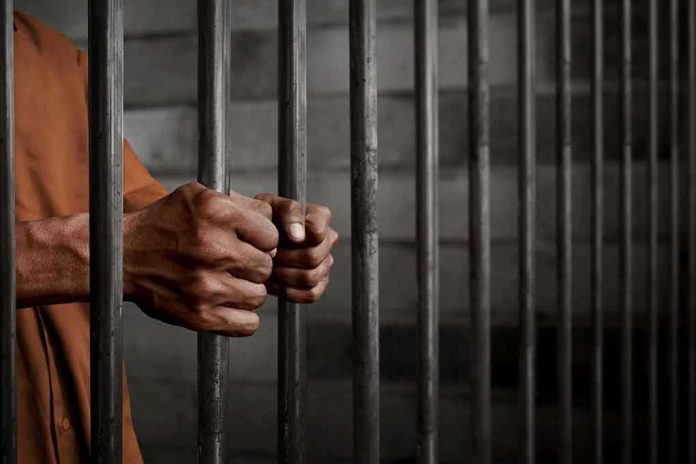
Pakistan’s government sentenced human rights lawyers and journalists to decades in prison for social media posts while free speech advocates warn of an alarming weaponization of anti-terror laws against critics of the state.
Story Snapshot
- Human rights lawyers Zainab Mazari and Hadi Ali Chattha received 17-year prison sentences for social media posts under Pakistan’s cyber crime laws
- Seven journalists and former military officers were sentenced to life in prison in absentia for allegedly inciting 2023 riots against the government
- Pakistan’s Prevention of Electronic Crimes Act has evolved from cybersecurity tool into instrument of political suppression targeting dissent
- International human rights organizations condemn the convictions as judicial harassment incompatible with constitutional protections
Crackdown on Human Rights Defenders Intensifies
Pakistani anti-terrorism courts sentenced human rights lawyers Zainab Mazari and Hadi Ali Chattha to 17 years imprisonment each in early January 2026 for social media posts authorities deemed anti-state. The National Cyber Crime Investigation Agency filed complaints in August 2025, leading to indictments in October before the couple’s recent arrest and sentencing. Mazari, daughter of prominent activist Shireen Mazari, defended journalists and activists while posting commentary on Baloch separatists and Taliban issues. Chattha faced identical charges for allegedly reposting similar content. Both lawyers boycotted court proceedings via video, protesting what they characterized as politically motivated prosecution targeting defenders of disappeared activists.
Mass Life Sentences Issued Against Journalists in Absentia
On January 2, 2026, Pakistani courts sentenced seven individuals to life imprisonment for allegedly inciting violence during May 9, 2023 riots that erupted after former Prime Minister Imran Khan’s arrest. The convicted include journalists Shaheen Sehbai, Sabir Shakir, and Moeed Pirzada, YouTubers Wajahat Saeed Khan and Haider Raza Mehdi, plus retired military officers Adil Raja and Akbar Hussain. All trials proceeded in absentia as the accused currently reside abroad, with Shakir holding asylum in the United Kingdom. Information Minister Attaullah Tarar praised the verdicts on social media, declaring “As you sow, so shall you reap!” under cyber laws. The convicted individuals maintain their innocence, characterizing the prosecutions as political victimization for supporting Khan’s Pakistan Tehreek-e-Insaf party.
Anti-Terror Laws Weaponized Against Political Opposition
Pakistan’s Prevention of Electronic Crimes Act, enacted post-2016 to address cyber threats, has transformed into a mechanism for suppressing dissent under Prime Minister Shehbaz Sharif’s government. Amendments in 2025 enabled opaque inquiries and platform blocks targeting journalists reporting on government corruption and forced disappearances. Authorities blocked 27 YouTube channels in July 2025 and issued arrest warrants for exiled journalist Ahmad Noorani in December. Interior Minister Mohsin Naqvi pledged a “massive crackdown” on fake news, signaling intensified prosecution reaching beyond Pakistan’s borders. The government revoked passports and declared overseas critics fugitives, creating extradition fears among exiled journalists. This systematic approach effectively silences reporting on sensitive topics including Baloch insurgencies and military accountability.
Constitutional Protections Eroded Under Government Pressure
International human rights organizations condemned Pakistan’s convictions as violating constitutional protections and international law. The Committee to Protect Journalists characterized in absentia convictions as an “escalating crackdown” incompatible with Pakistan’s constitution and the International Covenant on Civil and Political Rights. Amnesty International labeled the Mazari-Chattha case “judicial harassment escalation,” citing excessive force during arrests. Digital rights director Usama Khilji described PECA amendments as “opaque, undemocratic,” noting cases built on old tweets damage media freedom and citizen rights. These prosecutions create a chilling effect deterring coverage of government corruption, military operations, and human rights abuses. Independent media outlets face economic pressure as platforms get blocked and journalists flee abroad, fundamentally undermining press freedom essential to democratic accountability.
Political Persecution Targets Khan’s Inner Circle
The coordinated legal assault primarily targets individuals connected to former Prime Minister Imran Khan’s political network following his 2022 ouster and subsequent arrest. May 9, 2023 riots saw Khan supporters attack military installations, providing authorities justification for sweeping charges against PTI-aligned journalists, lawyers, and activists. The government’s strategy employs anti-terrorism courts to prosecute critics for speech offenses, bypassing normal judicial processes. Convicted individuals and their families face immediate consequences including arrest, asset seizures, and social stigma. Long-term impacts threaten Pakistan’s already fragile democratic institutions, deepening distrust in the judiciary and potentially fueling further civil unrest. This erosion of fundamental freedoms mirrors authoritarian tactics where governments criminalize legitimate dissent under national security pretexts, undermining the rule of law essential for protecting individual liberty against state overreach.
Sources:
Pakistani human rights lawyers jailed 17 years for social media posts – ABC News
Pakistan court sentences journalists, ex-military officers to life in prison – Washington Times
PECA in Pakistan used against journalists, lawyers and human rights defenders – The Hans India
Harassed at home, convicted abroad: Pakistan steps up prosecution of overseas journalists – CPJ