
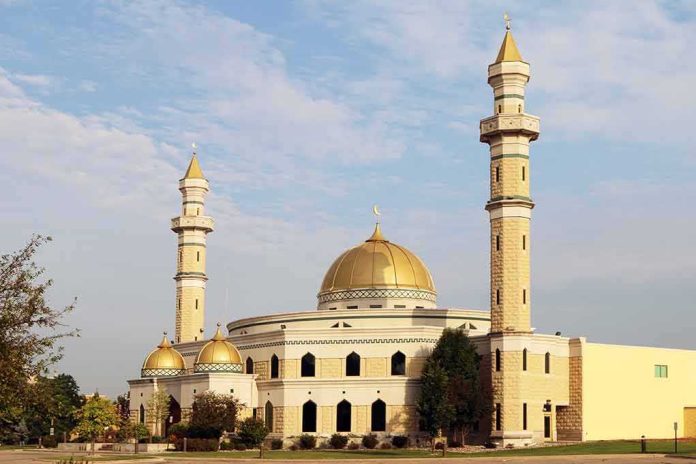
McKinney’s fight over a mosque expansion ended the way land-use battles often do: with a procedural vote that settled the plan, but not the emotion around it.
Story Snapshot
- The McKinney City Council unanimously approved a site plan for the McKinney Islamic Association’s campus expansion along Virginia Parkway.
- City staff said the proposal was a site plan review, not a rezoning request, and that it met city development standards.
- The plan calls for three buildings on about 5.5 acres, including a sanctuary, classroom space, and a gym.
- Public reaction was intense, with long testimony, sharp divisions, and continued dispute over the project’s meaning.
A Vote That Changed the Tone, Not the Debate
The McKinney City Council approved the McKinney Islamic Association’s site plan in a unanimous vote after hours of public comment. The decision moved the project forward on Virginia Parkway, where the association plans to expand its existing campus. Reporting and city records show the council treated the matter as a site plan review, not a rezoning fight, which mattered because staff said the plan complied with city rules.
That procedural detail sat at the center of the night. Council members and city staff said the proposal did not ask for zoning changes or special exceptions, and they described the plan as fully compliant with local standards. In plain terms, the city was not choosing whether the mosque should exist. It was deciding whether the submitted plan fit the rules already on the books.
What the Approved Plan Includes
The filed site plan lays out a three-building campus on 5.575 acres. It calls for a 15,000-square-foot main sanctuary, a 10,236-square-foot classroom building, and a 7,337-square-foot gym and multi-use building, for a total of 32,573 square feet. That matters because the public debate often used loaded language about a “massive” project, while the actual filing shows a modest campus spread across several buildings rather than one giant structure.
The McKinney Islamic Association says the expansion will serve a congregation that has outgrown its current mosque on Eldorado Parkway. Reporting says the group has operated in McKinney since 1997, which gives the plan a different shape than a brand-new outside venture. This was not a speculative proposal from nowhere. It was an expansion for an existing religious community already rooted in the city.
How the Council Reached the Finish Line
Before the council vote, the city’s Planning and Zoning Commission unanimously recommended approval on July 14. That earlier recommendation helped set the stage for the final decision and signaled that the project had already cleared an initial local review. Public reporting also says the meeting drew hours of testimony and nearly 70 written emails, showing a record that was loud, divided, and deeply personal even before the vote happened.
Supporters framed the issue as one of equal treatment and religious freedom. They argued that the city should apply the same rules to a Muslim congregation that it would apply to any other faith group. Opponents focused on traffic, neighborhood impact, and the symbolism of the project. That split is familiar in American land-use politics: one side sees a permit, the other sees a cultural turning point.
Why the Fight Still Isn’t Over
The unanimous vote did not end the project. Reporting says building permits and other technical approvals still must follow, including civil engineering and later permit review. That means the site plan approval was important, but it was not the last gate. For residents who oppose the project, the next phase offers more chances to press concerns about design, drainage, traffic, or construction details.
The bigger lesson is not hard to spot. Once a religious project is narrowed into a site plan that fits existing rules, the public battle often shifts from law to rhetoric. McKinney showed that pattern clearly. The city made a formal compliance finding, but the surrounding argument turned the proposal into something larger than zoning. That is why the vote felt final to planners and unfinished to the crowd.
Sources:
redstate.com, keranews.org, dallasnews.com, legistar1.granicus.com, texasscorecard.com, facebook.com