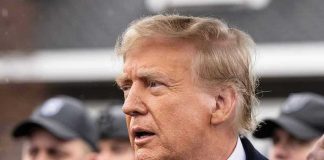
A viral claim that Saudi Arabia and Qatar “arrested Mossad agents” is ricocheting through a wartime information fog—and it could strain U.S.-aligned partnerships if Americans don’t separate verified facts from talk-show allegations.
Story Snapshot
- Tucker Carlson said Saudi Arabia and Qatar arrested Israeli Mossad operatives allegedly plotting bombings, but no independent confirmation or arrest details have been provided.
- The claim surfaced as U.S.-Israeli strikes on Iran and Iranian retaliation disrupt Gulf energy infrastructure, shipping insurance, and European gas prices.
- Verified reporting shows Mossad has run high-impact operations inside Iran, while Israeli security services describe a major Iranian espionage surge targeting Israelis.
- With President Trump now leading U.S. policy, the immediate question is whether this “arrest” narrative is real intelligence—or unverified rhetoric that adversaries can exploit.
Carlson’s Arrest Claim Collides With a Lack of Verifiable Details
Tucker Carlson stated on his show that Saudi Arabia and Qatar arrested Mossad agents who were allegedly planning bombings inside those countries. The report, as presented, did not include dates, locations, names, charges, or official statements from Riyadh, Doha, or Israel. That absence matters, because allegations of covert action between nominal partners can quickly become diplomatic weapons—especially during an active regional war where propaganda and misdirection are common.
Middle East Eye framed Carlson’s remarks as part of a narrative that Israel wants to sow chaos among U.S.-aligned Gulf states and harm Iran alongside regional countries. As of the available research, that arrest story remains a single-source claim tied to Carlson’s commentary, not a confirmed law-enforcement or government disclosure. Readers should treat it accordingly: notable because it’s circulating, but unproven without corroboration from governments or major outlets.
War Pressure: Energy Shocks, Shipping Risk, and the Incentive to Spread Confusion
The backdrop to this claim is a fast-moving U.S.-Israeli-Iran conflict that has already hit the Gulf’s economic arteries. The research notes disruptions including a Saudi Aramco refinery impact, a halt affecting Qatar LNG, insurance cancellations for Persian Gulf shipping, and reported spikes in European gas prices. When energy infrastructure and maritime routes wobble, every rumor becomes more potent—because markets, governments, and militaries must react quickly, sometimes before facts are settled.
That environment can reward information operations. Even an unverified story about Israelis being arrested by Gulf partners can inflame public opinion, complicate quiet security cooperation, and raise questions inside the American electorate about who can be trusted. Under the Trump administration, voters are likely to demand clarity: Are U.S. partners aligned against Iran, or are fractures being manufactured through media narratives that can’t yet be substantiated?
What We Do Know: Mossad’s Track Record Inside Iran Is Real—and Documented
Separate from Carlson’s Gulf-arrest claim, reporting from Israeli media describes Mossad operations inside Iran during the 2025 “12-Day War,” including the use of recruited assets and internal attacks aimed at degrading Iranian air defenses and missile capabilities ahead of Israeli airstrikes. Former Mossad leaders discussed the complexity of these operations and limitations around certain targets. This history establishes capability—but it does not verify allegations of Mossad plotting bombings in Saudi Arabia or Qatar.
That distinction is essential for responsible analysis. Intelligence services can be effective and aggressive, yet specific accusations still require evidence. The documented record in the provided research focuses on actions against Iranian military and nuclear-related infrastructure, not attacks on Gulf allies. If arrests occurred in Saudi Arabia or Qatar, there would normally be at least some trace—official statements, court filings, leaks, or multi-outlet confirmation—none of which are present in the research supplied.
The Other Verified Threat: Iran’s Espionage Recruitment Targeting Israelis
Another hard datapoint in the research is Israel’s internal security concern about Iranian espionage. The Shin Bet-described surge included numerous thwarted incidents and indictments, with recruitment efforts targeting a range of Israelis, including individuals connected to the military. That pattern points to Iran’s willingness to run systematic intelligence operations and exploit social vulnerabilities—an approach consistent with broader regional conflict where covert pressure complements missile and drone attacks.
For Americans watching from afar, the practical takeaway is that the loudest claim isn’t always the most credible. Carlson’s allegation may reflect something real, or it may be a narrative amplified during wartime to fracture relationships among U.S. partners. Given the stakes—energy stability, military coordination, and deterrence against Iran—the responsible position is to insist on verification before treating “Mossad agents arrested in the Gulf” as established fact.
Sources:
Tucker Carlson says Saudi, Qatar arrested Mossad agents planning bombings
Iranian Mossad agent details role in internal attacks on regime during 12-day war
JPost.com – Opinion Article 887602