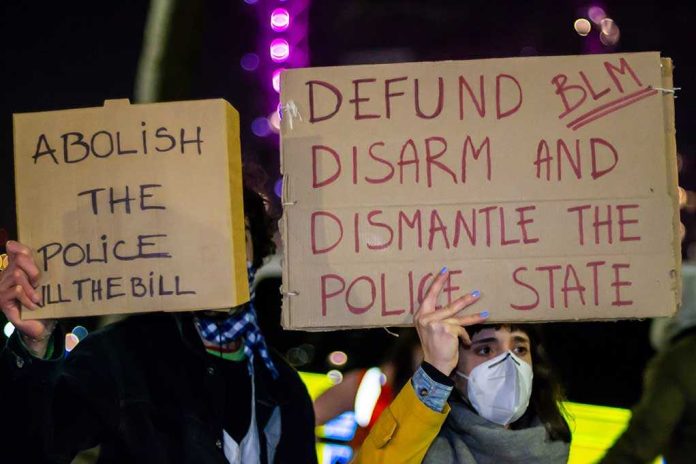
A new wave of protests threatens to undermine American values, sparking a heated debate over the future of our beloved nation.
Story Highlights
- Protests across the nation raise questions about their impact on American values.
- Activism assessment methodologies lack specific data on protest events.
- The absence of clear protest data highlights the need for targeted research.
- Understanding protest impacts requires a multi-method approach.
Understanding the Protests: A Data Gap
The recent surge in protests across the United States has left many conservative citizens questioning their true impact on our society. Despite the heightened activity, a comprehensive understanding of these protests remains elusive due to a lack of specific data. The research available focuses primarily on general methodologies for impact assessments, rather than providing insights into the particular causes or outcomes of these events.
This gap in data highlights a significant issue: without targeted research, it becomes challenging to assess the true implications of these protests on American values and traditions. The methodologies discussed in the available literature emphasize the complexity of social and political change, but fail to connect these theories to current events that directly affect our everyday lives.
Activism Assessment Methodologies
Current methodologies for assessing the impact of activism and protests primarily focus on theoretical frameworks and general tools for evaluation. These include surveys, focus groups, and quantitative analyses that are applied to movements like climate change activism. However, these methods do not address the specific nature of contemporary protests, leaving a void in actionable insights for policymakers and the public.
Protest impact assessments often rely on a multidimensional approach, considering economic, social, and political factors. While these models provide a broad understanding, they lack the specificity needed to address the unique characteristics of each protest, such as those challenging government overreach or advocating for illegal immigration reform.
The Need for Targeted Research
To bridge the gap between theory and practice, there is a pressing need for targeted research that focuses on specific protest events. This requires collaboration between researchers, policymakers, and community leaders to develop methodologies that can accurately capture the motivations, dynamics, and impacts of these movements. Such efforts would enable a more informed public discourse and policy development.
By focusing on the unique aspects of each protest, researchers can provide valuable insights into how these events shape public opinion and influence policy decisions. This approach ensures that the voices of affected communities are heard, and their concerns are addressed in a way that aligns with American values and interests.
Sources:
BSR: A Human Rights-Based Approach to Impact Assessment
Commons Library: Measuring Your Impact
ICMPD: How to Perform Impact Assessments
FES: Guidelines for Impact Assessment
EU Commission: Methodologies for Analyzing Impacts
EvalParticipativa: Designs and Methods for Impact Assessment