A man was shoved onto the Harlem 125th Street subway tracks after a platform dispute, and the attacker is still missing, police say.
Story Snapshot
- Police say a dispute on the 125th Street platform ended with a man pushed onto the tracks.
- The shove happened just before 9 p.m.; the suspect fled and remains at large days later.
- The victim, about 40, was injured; details on the extent of injuries have not been released.
- The location has seen prior push cases, including a fatal 2024 shove at the nearby Lexington Avenue station.
Police Account of the Harlem Platform Shove
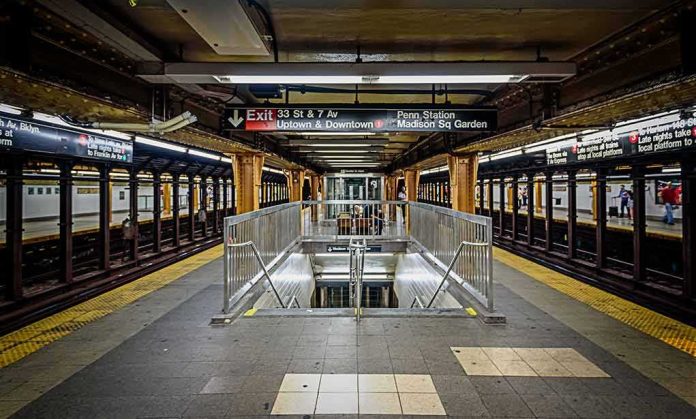
Police and local outlets report a man was shoved onto the tracks at the 125th Street station on the 2 and 3 lines late Tuesday. The push followed an argument on the southbound platform just before 9 p.m., according to police sources. The attacker fled the scene. First responders treated the victim, described as around 40 years old. Officials have not released a suspect description or a motive. The New York Police Department is seeking tips from the public.
Follow-up reporting says the suspect has not been caught as of Thursday. The account remains consistent: a dispute on the platform, a shove onto the tracks, and a quick escape by the attacker. The victim survived but was hurt. Police have not named the victim, which is common early in an active case. Authorities continue to review evidence and ask riders who saw the dispute to contact them.
Why This Incident Draws Outsized Concern
Track pushes are rare but vivid. Riders picture themselves on that edge, which fuels fear and anger. This Harlem case echoes other high-profile shoves that shaped safety debates in New York. In March 2024, a man died after being pushed onto the tracks at the East 125th Street and Lexington Avenue station on the 4, 5, and 6 lines. Police arrested a suspect in that case the same night, calling it unprovoked.
These events often set off the same questions. Riders ask why repeat violent offenders ride free. Advocates ask how to handle mental health crises in public spaces. Commuters want faster police response and more cameras. Taxpayers want to know where safety dollars go. Each group sees a system that reacts after harm, not before. The shared worry is simple: the people in charge are not fixing the basics riders count on.
What Officials Can Do Now and What Riders Can Do Today
City and state leaders can act without waiting months. Transit officials can surge patrols at known hot spots during evening rush. Police can release clear suspect photos when available and post them at station entrances. Prosecutors can prioritize violent transit cases and explain outcomes in plain language. These steps rebuild trust and help riders see progress. They also respect victims who did nothing more than wait for a train.
Riders can lower risk with simple habits. Stand back behind the platform’s safety line. Face the tracks as trains enter. Avoid heated exchanges with strangers. If a dispute flares nearby, move away and alert station agents or call 911. These steps are not a cure for violent crime. But they buy time and distance, which matter on a narrow platform. They also help witnesses focus and give better tips that speed arrests.
The Bigger Picture: Safety Promises Versus Rider Reality
This case highlights a gap between safety promises and what riders feel underground. Left or right, most people want the same thing: to get to work and home in one piece. When a person can be shoved onto the tracks and the attacker walks away, trust erodes. That mistrust does not stop at the turnstile. It feeds a wider view that leaders protect their careers first and the public last. Closing that gap starts with fast, visible results.
Sources:
nypost.com, amny.com, abc7ny.com