
After three hours inside the Kremlin and a follow-up visit to Kyiv, U.S. envoys left with warmer words but no Ukraine peace deal.
Story Snapshot
- President Trump’s envoys Steve Witkoff and Jared Kushner met Vladimir Putin in Moscow for over three hours.
- Putin called U.S.-Russia contacts beneficial as the talks began.
- Witkoff and Kushner then met President Volodymyr Zelenskyy in Kyiv, calling the talks “substantive”.
- The shuttle diplomacy shows activity but no breakthrough yet, matching past patterns in this war.
What Happened in Moscow
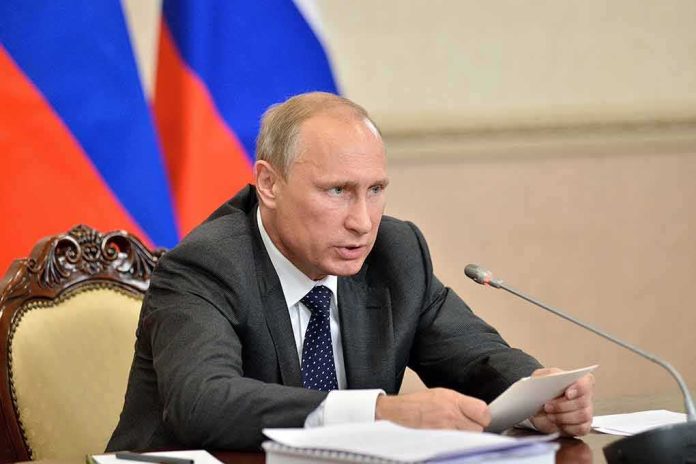
On Saturday, Russian President Vladimir Putin met U.S. envoys Steve Witkoff and Jared Kushner at the Kremlin for more than three hours. A Kremlin aide called the talks “highly useful,” and news reports said the conversation aimed to revive efforts to end the war in Ukraine. Putin said contacts between Washington and Moscow were beneficial, signaling Russia was open to continued dialogue with the envoys during this round of talks.
Reuters reported that the trip followed fast-moving planning and security checks by U.S. officials, showing the White House wanted the mission to proceed despite risks. The Kremlin framed the meeting as constructive, while avoiding specific concessions. That tone matched past sessions where both sides described useful contacts but kept hard positions close. The length of the session suggested a detailed exchange rather than a brief photo opportunity.
What Happened in Kyiv
On Sunday, Witkoff and Kushner traveled to Kyiv for their first official visit to Ukraine during this war. They met President Volodymyr Zelenskyy and described the talks as “substantive.” Witkoff said he was encouraged by the exchange, which followed the long Moscow meeting a day earlier. Major outlets confirmed the back-to-back sessions in both capitals, underscoring a push by Washington to keep momentum across the weekend.
News reports did not list concrete deals or timelines. That gap fits the reality of shuttle diplomacy, where envoys gather positions, test ideas, and carry messages before any side locks in terms. Kyiv’s meeting signaled that Ukraine remained engaged, even as its military and political goals demand security guarantees and clear steps from Russia. The U.S. team left emphasizing process and contact, not outcomes.
Why This Matters to Americans
These talks matter because a prolonged war drains resources, shakes energy prices, and strains trust in leaders. Many Americans believe the federal government talks a lot and delivers too little. Shuttle diplomacy can look like motion without results. But direct contact can also lower risks and map options for a later deal. The weekend showed activity at the top level, yet no fix for the big gaps on territory, security, and sanctions.
Past efforts in this war followed the same script. Officials call talks constructive, then run into the hardest issues. Analysts describe several parallel tracks—military terms, political issues, economic ties, territorial questions, and security guarantees—that must move together. If one stalls, the whole effort slows. That helps explain why high-profile meetings can end with careful words, not signed papers.
What to Watch Next
Watch for more direct statements from the White House and the Kremlin on next steps, and any sign of a structured roadmap with dates and working groups. Look for whether Russia eases strikes or shifts rhetoric, and whether Ukraine signals room on sequencing or security terms. Public hints on prisoner exchanges, safe zones, or energy flows could show movement before a full cease-fire is ready.
⚡️ Ukraine war likely to extend into 2027 as Witkoff-Kushner peace push fails to move Putin. Moscow expected to escalate attacks on energy grid this winter, threatening global supply and market stability. How will oil prices react? pic.twitter.com/gRL9E54BsS
— Dino Vibes Daily (@DinoLeadingNews) September 8, 2026
For families tired of war headlines, the measure is simple: does any meeting reduce the chance of a wider conflict and lower costs at home. For now, the answer is not yet. The envoys opened doors and kept channels warm across two capitals in two days. That is real, but incomplete. Until the core issues move, expect more long meetings and careful language, and keep an eye on whether actions on the ground match the words at the table.
Sources:
townhall.com, npr.org, reuters.com, cnbc.com, whitehouse.gov, abcnews.com, aljazeera.com, wtop.com, cfr.org