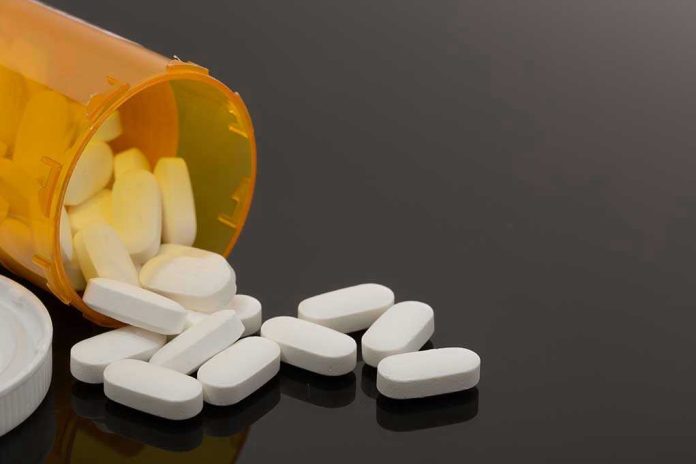
Oklahoma’s Senate just created a felony for trafficking abortion pills, slamming the door on 4,130 illegal shipments while shielding foster parents’ faith from LGBT ideology mandates.
Story Highlights
- Oklahoma Senate passed HB 1168 by 37-10, making possession or delivery of abortion drugs like mifepristone a felony with 10-year prison terms and $100,000 fines.
- Bill targets 4,130 pills trafficked into state in 2024, building on 2022 total abortion ban amid national mail-order surge.
- Exempts contraceptives, IVF, and miscarriage treatments; Governor Stitt expected to sign, enforcing pro-life protections.
- Separate push protects faith-based foster parents rejecting LGBT placements, prioritizing children’s stability over ideology.
- Democrats cry privacy invasion; reveals GOP commitment to unborn lives and traditional family values against elite overreach.
Bill Passage and Key Provisions
Oklahoma Senate approved House Bill 1168 on a 37-10 vote in May 2025, sending it to Governor Kevin Stitt’s desk. Sponsored by Sen. David Bullard (R-Durant), the measure criminalizes knowingly possessing or delivering abortion-inducing drugs such as mifepristone, misoprostol, and methotrexate when intended for illegal abortions. Penalties reach 10 years in prison and $100,000 fines. The law addresses 4,130 pills shipped into Oklahoma in 2024, per pro-life data. All 10 Democrats plus two Republicans opposed it.
Response to Post-Dobbs Trafficking Surge
HB 1168 extends Oklahoma’s 2022 total abortion ban under HB 768, the nation’s strictest post-Dobbs v. Jackson. Chemical abortions comprised 63% nationally by 2023, fueled by mail-order services evading bans. FDA changes eased mifepristone access, prompting red states like Texas and Louisiana to act first. Oklahoma lawmakers cited unregulated use risks, including hemorrhage in 1-4% of cases per medical guidelines. Exemptions safeguard IVF, contraceptives, and miscarriage care, focusing enforcement on traffickers.
Stakeholder Clash and Internal Tensions
Sen. Bullard emphasized protecting unborn lives and mothers from drug risks. Senate Democrats labeled it an invasion of private medical care, claiming it felonizes legal medication—a hyperbolic stance given exemptions. Sen. Julie Deevers (R) voted no, drawing primary criticism from Curtis Erwin for failing to stop trafficking and protect babies. Pro-life groups supplied trafficking stats; abortion advocates like ACLU prepare lawsuits. This highlights GOP unity strains amid national pill wars.
Broader Impacts and Foster Protections
Short-term, the law deters mail-order abortions, potentially curbing thousands yearly, though black markets or travel may rise per post-Dobbs studies. Long-term, it models enforcement for other red states, disrupting telehealth providers while preserving pharma’s non-abortion uses. Economic effects stay minimal, with fines offsetting costs. Separately, Oklahoma advances bills like SB 519, empowering religious foster parents to reject LGBT ideology-driven placements, ensuring children’s placement aligns with traditional values over government mandates.
Both measures underscore frustrations with federal failures and elite priorities, resonating across political lines. Conservatives see victories for life and family; even skeptics question overreaches eroding American principles of limited government and personal responsibility. As Trump’s second term advances America First policies, states like Oklahoma lead on core issues.
Sources:
Senate Gives Final Passage to Bill Creating Crime of Abortion Pill Trafficking
Bullard Bill to Criminalize Abortion Pill Trafficking Clears Senate Committee
Legislation to Outlaw Abortion Pills Draws Intense Debate, No Vote from Deevers
Oklahoma Abortion-Inducing Drug Ban to Governor