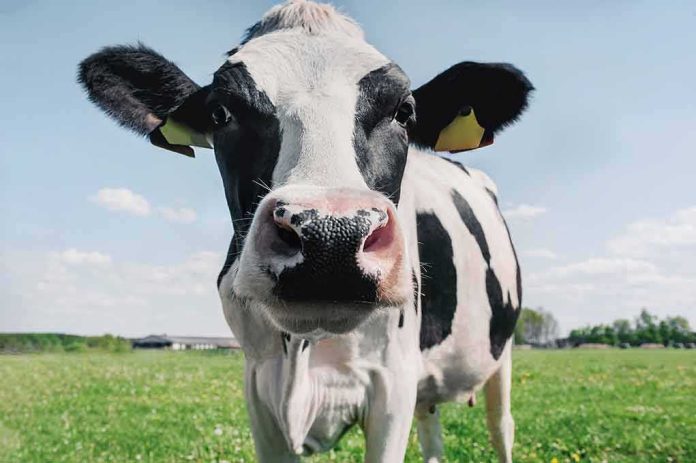
Yakima County health officials confirmed a Washington resident died after catching H5N1 bird flu linked to infected dairy cattle, sharpening concern about risks to front-line workers while the public risk remains low.
Story Snapshot
- Yakima Health District reported the death, hospitalization, and cattle exposure of the patient.
- Centers for Disease Control and Prevention identified the virus as H5N1, the bird flu strain.
- State officials warned the public to avoid raw milk and said general risk is low.
- Local human cases have been tied to infected dairy operations during the current outbreak.
What Officials Confirmed About the Washington Case
Yakima Health District said a county resident who had contact with infected dairy cattle became severely ill, was hospitalized, and died in early November. Officials did not release the person’s name or age. They reported the patient had underlying health conditions. They also said contacts were being monitored. Reporters described no evidence of sustained person-to-person spread tied to this case. The district linked the exposure to a dairy with confirmed infected cattle.
The Centers for Disease Control and Prevention (CDC) identified the infection as H5N1. That is the highly pathogenic bird flu strain driving the cattle and poultry outbreaks. The Washington State Department of Health placed the case within the statewide response. The department noted recent detections of H5N1 in dairy herds and emphasized the need for care when handling animals, milk, and contaminated environments. Officials said the risk to most people remains low.
How This Fits the Ongoing Cattle Outbreak
Washington confirmed H5N1 in dairy cattle in October. Local reports counted dozens of affected herds across the state during the current wave. Health agencies tied recent human infections to people with close contact at infected dairies. This pattern matches what federal and global groups have seen: infections in workers near sick animals, but no established sustained spread between people. That mix supports a low population risk, with higher risk for certain jobs.
Federal and state guidance focuses on clear steps to lower exposure. Workers are urged to wear eye protection, gloves, and masks when near sick animals or splashes. People should avoid unpasteurized milk and products made from it. The United States Department of Agriculture has also reminded producers to tighten biosecurity and watch for signs of illness in herds. These steps aim to reduce spillover while keeping farms operating safely.
Why The Risk Message Sounds Split — And Why That Makes Sense
Public health teams can say the general risk is low while warning dairy and poultry workers to take extra care. The key factor is exposure. Most people do not handle infected cattle, but the workers who do face higher risk. Congressional research summarized 57 United States human H5N1 cases in the current outbreak, with most tied to cattle or poultry exposure and none showing sustained human-to-human spread. That supports the split message many people hear today.
Global public health agencies reported the same basic pattern. They documented repeated animal-to-human infections in recent years but no established ongoing spread between people. They advise countries to keep monitoring, test suspected cases, and protect workers at the animal-human line. That approach seeks to stop sparks from becoming a wider fire, even as farms, markets, and families try to live normal lives.
What This Means For Families, Workers, and Communities
Families should stick with pasteurized dairy products, which remain safe. People should not drink raw milk or eat products made from it. Workers who handle cattle should use protective gear, wash hands often, and report eye or flu-like symptoms fast. Communities can support farms that follow safety steps and give workers the right gear and training. These moves help protect both health and local jobs when trust in big systems already feels strained.
"A Yakima County, Washington, resident hospitalized with severe avian influenza (H5N1) after exposure to infected dairy cattle died on November 1..
The death is the first from avian influenza reported in the US in 2026..
The Yakima Health District also confirmed a third human…— Hiroshi Yasuda (保田浩志) (@Yash25571056) November 3, 2026
Officials have not released the patient’s identity or detailed medical record. That keeps private information private but limits public detail. The core facts remain clear. A Washington resident with underlying conditions had close contact with infected cattle, was hospitalized, and died. Health leaders say the wider public risk is still low. The clearest threat sits with people who work where the virus is active, which is where prevention matters most right now.
Sources:
washingtontimes.com, kyma.com, upi.com, healio.com, m.dailyadvent.com, link.springer.com, aphis.usda.gov