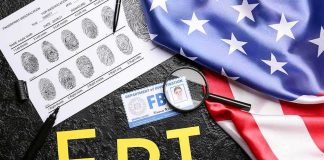

A federal grand jury says a Russian national stalked Bay Area defense-tech workers and posed as a U.S. resident to do it.
Story Snapshot
- Justice Department charges include acting as an unregistered foreign agent and interstate stalking
- Prosecutors say the target was a Silicon Valley defense and technology firm tied to Ukraine support
- Court materials describe following workers, photographing screens, and using fake IDs
- The defendant was arrested and remains in federal custody as the case moves ahead
Federal Indictment Details The Alleged Operation
The Department of Justice announced four felony counts against Igor D’iu: conspiracy to act as a foreign-government agent, acting as a foreign agent without notice to the Attorney General, interstate stalking, and identification-document fraud. The indictment states he gathered information on employees of a Silicon Valley defense and technology company, tracked them across the Bay Area, and documented personal details. Prosecutors allege the purpose was to support Russian government interests by targeting people linked to defense work and Ukraine support.
Charging documents describe methods that match classic surveillance tradecraft. Reports based on court records say D’iu followed workers, located their homes, and photographed laptop screens in public places. Investigators say he used false identification documents to mask his tracks and gain access. The stalking charge signals prosecutors believe the conduct caused fear or distress, not mere curiosity. Federal agents say they observed activity across several months, showing an organized effort rather than a one-off incident.
Why Silicon Valley Defense Tech Drew Attention
Reuters, citing court documents and a source familiar with the matter, reported that the company was Palantir, a firm known for software used in national defense and aid to Ukraine. The Justice Department’s release did not name the company but tied the alleged surveillance to a defense technology business supporting Ukraine. That link explains motive under a common Russian intelligence playbook: map people, find weak points, and learn routines that could yield access later. This is why defense-adjacent staff are high-value targets.
The Federal Bureau of Investigation (FBI) frames Russia’s services and state-directed proxies as persistent collectors of sensitive U.S. technology and know-how. The Bureau warns that these operations often run through civilians and cutouts, not only declared intelligence officers. That pattern matches prosecutors’ claims here: low-profile surveillance, soft targets, and identity fraud rather than a dramatic breach. The small stuff—photos, addresses, travel habits—can add up to big leverage when combined over time.
Inside The Timeline And Tactics
Reporting points to investigative activity between June and October 2026, with an FBI affidavit outlining tasking believed tied to Russia’s Federal Security Service. These details show why prosecutors went with the foreign-agent charges. Acting as an unregistered agent, if proven, triggers serious penalties, even without stolen secrets. The stalking count adds a victim-centered frame that underscores personal risk to workers and their families who never signed up for a spy game in a coffee shop.
THE COFFEE SHOP SPY
BLACK BAR PRESS | November 19, 2026
WASHINGTON — Federal investigators allege a Russian national traveled to Silicon Valley to gather intelligence on employees of a defense technology company.
NBC News and Reuters identify the company as Palantir, which… pic.twitter.com/D08ltEAVY8
— Jay Wisdom (@JayWisdom12) November 20, 2026
Reuters says D’iu was arrested and remains in federal custody, with court dates scheduled soon after the indictment. That custody status matters. It reduces flight risk and tampering while the government moves through discovery and pretrial motions. It also signals prosecutors think they have enough evidence to hold the line in court. As with any indictment, the charges are allegations until proven at trial, but the detention gives the case an arena to test the facts promptly.
What This Means For Workers, Firms, And Policy
Defense-tech employees now rank as frontline targets, not just engineers behind a screen. A stranger with a camera and a cover story can be an on-ramp to a far more serious breach. Common-sense steps—no screen peeking in public, secure commute patterns, quick reporting of suspicious tails—sound dull until they save a career, a program, or a life. Companies should harden security outside the office: training, travel protocols, and rapid channels to local and federal law enforcement.
Policy should back that vigilance with clear lanes and fast help. The Justice Department’s use of foreign-agent statutes shows a willingness to hit covert activity early. That aligns with conservative priorities: defend national security, protect workers, and punish those who stalk and deceive. Strong borders, strong enforcement, and strong counterintelligence teams work together. When adversaries test our seams—on sidewalks, in cafes, and online—the answer is steady laws, swift arrests, and a culture that treats casual surveillance as a real threat.
Sources:
yahoo.com, justice.gov, united24media.com