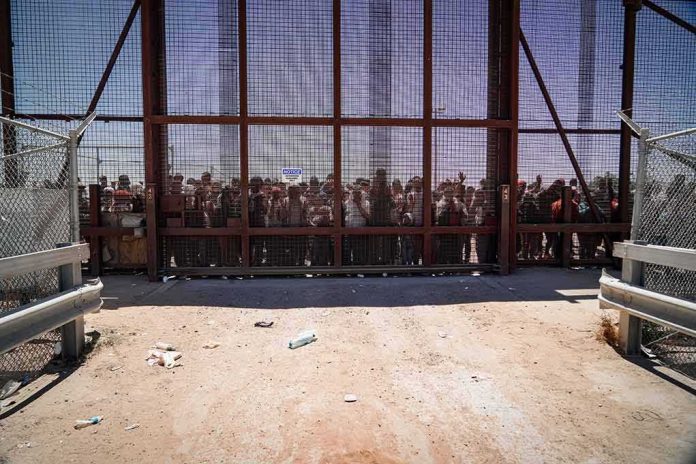
Israel will shut most crossings to the West Bank and Gaza on October 5 and 7, citing security needs tied to the October 7 anniversary.
Story Snapshot
- Defense Minister Israel Katz ordered the closures after a security review.
- Limited exceptions will allow urgent medical and humanitarian cases with approval.
- Officials link the move to the October 7 commemoration and potential threats.
- Rights groups say repeated closures deepen long-term limits on Palestinian movement.
What Israel Ordered and When It Takes Effect
Israeli officials said crossings into the West Bank and Gaza would be closed on Monday, October 5, and Wednesday, October 7. Defense Minister Israel Katz tied the decision to ceremonies marking the attacks of October 7, 2023. The Coordinator of Government Activities in the Territories announced the closures publicly and said they follow a formal security assessment. The order aims to lower risk during highly tense dates that often draw large crowds and raise alert levels.
During the closure, Israel stated there will be limited exceptions. Humanitarian and medical cases can be reviewed and approved by the Coordinator of Government Activities in the Territories. That carve-out mirrors past security closures that preserved narrow channels for urgent needs. Reports described the West Bank closure as comprehensive, with Gaza crossings also shut under the same order on the two dates. Officials framed the steps as time-bound and preventive, not a new standing policy.
How Authorities Explain the Security Rationale
Israeli leaders often raise alert levels around significant dates, including anniversaries of past attacks. Katz said military recommendations guided the closures this week. The government argues that reducing movement through checkpoints can cut the chance of planned attacks or lone-wolf attempts during ceremonies or public gatherings. The message to domestic audiences is deterrence and control, with exemptions meant to show care for critical medical needs despite the wider shutdown.
These closures fit a pattern used during holidays or periods of expected tension. Short-term movement limits are familiar tools for Israel’s security services. Supporters see them as measured steps that lower risk without a full lockdown. Critics argue that blanket closures burden workers, students, patients, and families who rely on regular crossings. Even when exceptions exist, the approval process can be slow, and many people will still miss work, classes, or care during the shutdown window.
What This Means for People on the Ground
Palestinians who rely on permits to work in Israel or travel for appointments will likely face delays or cancellations. Employers who depend on cross-border labor should expect disruptions and may absorb higher costs. Hospitals coordinating treatment for patients from the West Bank or Gaza must navigate the exception process. Aid groups often report that closures complicate logistics for supplies and staff, even over short spans. On these dates, daily life will slow and, for many, simply stop at the checkpoint gate.
BREAKING: Defense Minister Israel Katz ordered West Bank and Gaza crossings closed Oct. 5 and Oct. 7 for Oct. 7 remembrance, not today. Humanitarian cases need COGAT approval. Gaza aid will not enter those days. pic.twitter.com/OClAp87sTp
— First Feed News (@FirstFeedNews) October 4, 2026
Rights groups say these closures build on long-running movement limits. Human Rights Watch reports that since 2007, Israel has blocked most of Gaza’s population from traveling through the Erez passenger crossing. After the 2023 attacks, authorities further sealed crossings and restricted people and goods. Advocates argue that repeated “temporary” closures create lasting harm for civilians. Israeli officials counter that security comes first and note the narrow humanitarian exceptions during high-risk periods.
Why Americans Should Care
United States policy and aid intersect with this conflict and its day-to-day rules. When crossings close, tensions often rise and aid work gets harder. That can feed cycles of anger, fear, and retaliation. Many Americans across the political spectrum see a government playbook—at home and abroad—where leaders favor control and optics over long-term solutions. This episode shows how security steps can protect lives in the short run, yet still deepen the grind of daily limits that fuel more unrest.
Sources:
redstate.com, jpost.com, english.ahram.org.eg, sadanews.ps