A commercial airline pilot landing with 70,000 ecstasy pills in his suitcase while high on meth and cocaine is exactly the kind of nightmare that makes ordinary people wonder who, if anyone, is really watching the skies.
Story Snapshot
- Indonesian officials say a Malaysia Airlines pilot arrived in Jakarta with over 70,000 ecstasy pills and methamphetamine in his checked luggage.
- Customs officers reportedly caught the drugs during routine X-ray screening, then detained the pilot after he claimed the suitcase.
- Officials say a urine test showed the pilot had methamphetamine, ecstasy, and cocaine in his system while flying passengers.
- Indonesia is weighing the death penalty under strict narcotics laws, while Malaysia Airlines pledges to cooperate with investigators.
A Pilot, A Suitcase, And 70,000 Ecstasy Pills
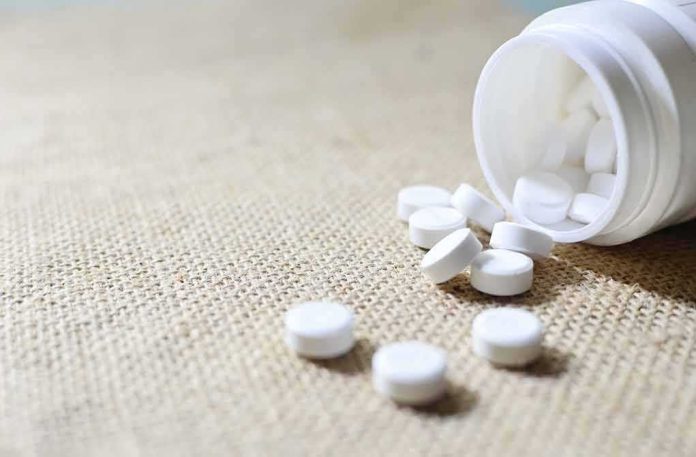
Indonesian customs officers at Jakarta’s Soekarno-Hatta airport say they spotted a suspicious suitcase during X-ray checks in the international arrivals hall after Malaysia Airlines flight MH727 landed from Kuala Lumpur. The bag went through the carousel like any other. When a 39-year-old Malaysian pilot, identified only as “MS,” picked it up, officers moved in and took him and the suitcase to an inspection room. There, they report finding 14 large packages with more than 70,000 ecstasy pills, weighing about 26 kilograms, along with a separate package of methamphetamine.
Indonesian police say they quickly named the pilot a criminal suspect and took over the case from customs. At a joint news conference, officers laid out the seized drugs on a table for reporters to see and explained how the arrest happened. Officials say the pilot told investigators he had been instructed by another person to bring the ecstasy into Jakarta in exchange for 50,000 Malaysian ringgit, or roughly twelve thousand dollars. They also say he admitted to acting as a courier on two earlier drug runs, one into Sabah in Malaysia and another into Jakarta.
Flying Passengers While Allegedly High On Hard Drugs
Customs and police officials say that after the arrest, they ordered a urine test on the pilot, and the results came back positive for methamphetamine, ecstasy, and cocaine. One senior customs officer told reporters this meant the pilot was under the influence for the duration of the flight with paying passengers on board. That claim has shocked many travelers, because they assume strict screening keeps anyone that impaired far from a cockpit. The idea that a pilot could pass checks, fly a jet, and still test positive for three serious drugs feeds wider fears that big systems look tight on paper but loose in practice.
Indonesia treats major narcotics cases as grave crimes and has some of the toughest drug laws in the world. Officials and local media say the amount of ecstasy alone could be enough for prosecutors to seek the death penalty if the case leads to conviction. For both conservatives and liberals in the United States watching from afar, this kind of story hits a nerve. People already feel that powerful networks move drugs, money, and people across borders while ordinary citizens face rising crime and addiction. Learning that a trusted professional, like a pilot, may have been part of a trafficking chain only deepens that sense that the system is failing at basic safety.
Airline Response And Questions About Oversight
Malaysia Airlines has acknowledged that one of its pilots was detained in Indonesia on suspicion of a narcotics offense and said it is cooperating fully with investigators. The carrier has declined detailed comment while the case is ongoing but stressed that it takes such allegations seriously and that safety is its top priority. That statement, while standard, leaves many big questions unanswered. How did a pilot allegedly struggling with hard drugs pass medical checks? How closely does the airline monitor staff for warning signs, especially in a global industry that runs on trust?
A Malaysian pilot has been arrested in Indonesia after authorities allegedly found more than 70,000 ecstasy pills and 4 grams of methamphetamine hidden in his luggage at Jakarta's Soekarno-Hatta International Airport.
The 39-year-old, identified only by the initials MSO, was… pic.twitter.com/PXWK0KchxT
— IGNITE (@Ignitestudi0) August 2, 2026
This case also fits a wider pattern in modern news: customs and police agencies hold press briefings, show off big seizures, and describe suspects as part of wider drug syndicates, while deeper records and trial results come much later. For now, nearly all public information about the pilot comes from Indonesian officials speaking to outlets like the Associated Press and Reuters. They may be right on every point, but the story still illustrates a bigger worry many Americans share about their own government: that institutions like aviation regulators, border agencies, and law enforcement are better at press conferences than at preventing failures before lives are put at risk.
Sources:
reddit.com, apnews.com, washingtonpost.com, straitstimes.com, youtube.com, theedgemalaysia.com