Newly released records say agents traced Trump-world calls and even tracked family travel, renewing fears that federal power is being used with too little sunlight and too much discretion.
Story Highlights
- Reports say agents traced calls by a top Trump adviser and tracked Melania and Barron Trump’s travel.
- Documents describe monitoring across lawyers, staff, political advisers, and journalists.
- A memo sent to Congress outlined evidence Trump kept classified papers mixed with other records.
- Oversight leaders press claims of politicized prosecution while the Justice Department defends its actions.
What the newly disclosed records say investigators did
Just the News and The Daily Signal reported that released memos say investigators traced the calls and texts of Susie Wiles, a senior Trump adviser, including contacts with at least 21 lawyers, campaign staff, political advisers, and several journalists. Those reports also say agents tracked travel by Melania Trump and Barron Trump before the 2022 search of Mar-a-Lago. These steps, if described accurately, point to wide contact mapping during 2023 in the classified-documents probe.
The Epoch Times likewise said declassified records showed monitoring of the former First Lady and her son’s travel around the time of the raid. While such tracking can occur in sensitive probes, it alarms people on both left and right who worry about mission creep and privacy. The reporting does not identify who approved each step or the legal process used, which leaves open questions that only full documents or testimony can answer.
How prosecutors framed the evidence in the documents case
NBC News and Politico reported on a January 2023 memo from Special Counsel Jack Smith’s office that was sent to Congress. The memo said the Federal Bureau of Investigation (FBI) found classified records mixed with post-presidency papers and stated some materials were tied to business interests. That description suggested a possible motive to retain them, and it mentioned a claim that Trump may have shown a classified map during a June 2022 flight to New Jersey.
Newsweek reported that Democrats cited the memo to argue the evidence already showed commingled documents and links to business interests. The Justice Department, according to a Daily Beast account, answered critics by saying it acted lawfully and with transparency when releasing materials. These points do not resolve concerns about tactics, but they show prosecutors built a narrative centered on evidence they believed supported charges at the time.
Why the oversight fight is growing louder
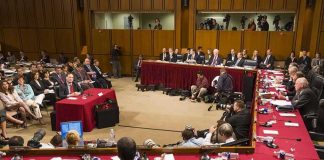
House Judiciary Chairman Jim Jordan accused Smith’s team of orchestrating a partisan prosecution, and committee letters sought details about approvals, meetings, and any role of intelligence veterans. One report described a 2023 meeting at the Central Intelligence Agency with former Director John Brennan to discuss expert testimony. Supporters call that routine; skeptics see unusual crossover between prosecutors and intelligence leaders in a case involving a political figure.
Both sides now point to the same releases to argue opposite things. Critics say the memos show sweeping surveillance and contact tracing across lawyers and the press. Defenders say the memo to Congress outlined strong evidence of mishandled records, making investigative steps look standard. Without full, unredacted records, the public must parse secondhand summaries, which fuels distrust of institutions that control what gets shown, and when.
What this means for trust in government and the rule of law
Courts set a very high bar to prove selective or vindictive prosecution. A challenger must show both discriminatory effect and purpose, and judges presume prosecutors act in good faith. That means aggressive tactics can be legal yet still feel wrong to many citizens. The standard protects independence, but it also leaves doubts when the government withholds context behind surveillance, approvals, and minimization rules.
For readers tired of partisan spin, two steps would help. First, release the full underlying memos, routing slips, and approval logs, with only narrow redactions for safety. Second, put key actors under oath to explain why each step was taken and who signed off. That level of sunlight would let Americans judge whether this was ordinary law enforcement or something far from the values that promise equal justice under the law.
Sources:
pjmedia.com, breitbart.com, justthenews.com, nbcnews.com, newsweek.com, judiciary.house.gov, people.com