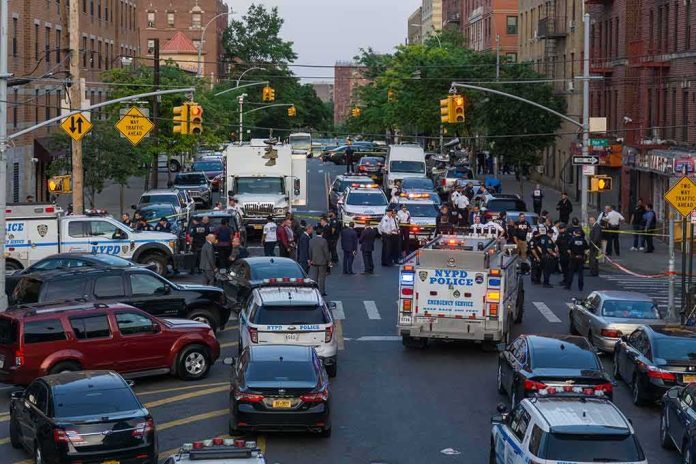
New York City’s mayor is moving to disband a police unit that handles both protests and counterterror threats, while the replacement plan remains unclear.
Story Highlights
- Mayor Zohran Mamdani plans to disband the NYPD Strategic Response Group, which handles protests and counterterrorism.
- A City Council majority backs a bill to ban certain SRG protest tactics and require public reporting.
- Civil-rights groups cite years of alleged abuses; a 2020 protest settlement set limits on SRG deployments.
- Police leaders warn the unit provides specialized response to violent incidents and mass shootings.
What the Mayor Plans and Why It Matters
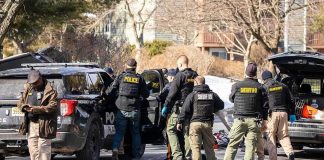
Mayor Zohran Mamdani is preparing to disband the New York Police Department’s Strategic Response Group, a roughly 500- to 600-officer unit that has handled both protest control and counterterrorism since 2015, according to multiple reports. Supporters of the move argue that protest response should be separate from counterterror duties. They say the current structure chills free speech and has led to repeated clashes at demonstrations. The plan’s exact timeline, replacement units, and command details have not been fully released.
Backers in the City Council have introduced the Communities United to Reject Brutality Act to restrict the unit’s role at protests and outlaw tactics like kettling, indiscriminate pepper spray, tear gas, and aggressive bicycle maneuvers. The bill, sponsored by Council Member Chi Ossé, would also require public reports on deployments and complaints. The New York Civil Liberties Union said a majority of council members have signed on, showing an organized push to lock in the changes through law rather than rely on shifting policy alone.
Claims of Abusive Tactics and the 2020 Protest Settlement
Civil-rights groups say the Strategic Response Group used heavy-handed tactics during protests for years, including the 2020 racial-justice demonstrations. A class-action case, Payne et al. v. City of New York, led to a settlement that set new limits on how and when the unit could be deployed, creating a tiered system meant to curb broad crackdowns at First Amendment events. Advocates argue that incidents across the last decade show a pattern of misconduct that the new legislation aims to prevent going forward.
While some officials cite high complaint rates within the unit, the public record lacks a complete, verified set of statistics that compares the Strategic Response Group’s misconduct rates to other units across time and events. That data gap fuels distrust on both sides. People who want stronger protest protections point to visible clashes and lawsuits. People who want to keep the unit emphasize the lack of comprehensive, apples-to-apples numbers and stress the risks of losing a specialized team.
Public Safety Concerns and the Counterterrorism Question
Police leaders and supporters warn that disbanding the unit could weaken the city’s ability to respond to the worst days: violent protests, active shooters, major events, and terror threats. An NBC New York report framed the core question bluntly: if the unit goes away, who arrives first at a mass shooting or coordinated attack? The Police Commissioner has argued that when there is a report of a violent person, police must be sent, underscoring the need for a trained, rapid response.
🚨 JUST IN: Mayor Zohran Mamdani is GUTTING the NYPD unit that handles riots.
His office told Politico the administration "WILL DISBAND THE STRATEGIC RESPONSE GROUP," the unit that handles protest violence and civil disorder.
Commissioner Jessica Tisch says the unit only gets… pic.twitter.com/bqGva2Lxx9
— Gunther Eagleman™ (@GuntherEagleman) November 13, 2026
Department figures have also tried to show restraint in protest policing. The Police Commissioner said the unit was on standby for under six percent of protests last year and made arrests at about one percent, suggesting the team is not routinely deployed to escalate demonstrations. Supporters inside the department say the officers receive specialized training suited to chaotic scenes. They argue that repackaging the same capability under a new structure may be possible, but removing it outright is risky.
What We Know, What We Do Not, and Why Voters Care
Reports say City Hall wants to decouple protest response from counterterrorism. But they do not yet outline how counterterror and mass-casualty duties would be reassigned, what training standards would guide any new protest team, or how command authority would work during fast-moving crises. Those gaps invite worst-case fears. They also mirror a wider problem in government: leaders announce big changes without giving the public a clear, tested plan for day one operations.
New Yorkers of many views share two concerns that can both be true. People want their rights protected at protests without feeling like they are facing a paramilitary force. People also want a fast, skilled response when a peaceful event turns violent or when terrorists strike. A national study found most protests are peaceful, which supports a lighter touch most of the time. The challenge is to match the tool to the job. That means clear rules, transparent data, and steady leadership.
The Stakes for a City That Runs on Trust
City officials, police leaders, and civil-rights groups now face a simple test: show the plan. New Yorkers need to see who responds to terror threats, how protests will be managed, and what metrics will track injuries, arrests, response times, and complaints. The council’s bill sets rules for protests. The mayor’s team must also explain how they will keep the city safe during rare but deadly events. Trust grows when plans are public and results are measured.
Sources:
fox23.com, nyclu.org, nydailynews.com, politico.com, nbcnewyork.com, abc6onyourside.com, cityandstateny.com, rand.org